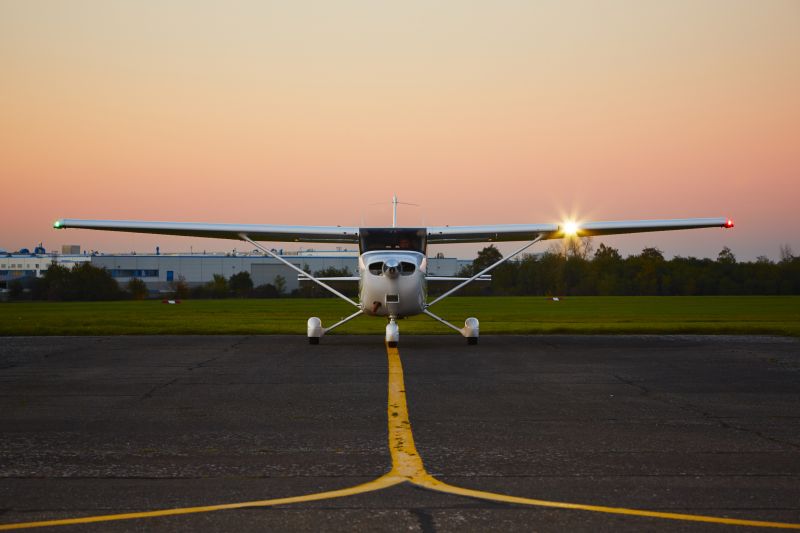
Airport Runway Repair in Little Rock, AR
Airport runway repair services involve the restoration and maintenance of paved surfaces used for aircraft takeoffs and landings. These projects typically include patching cracks, filling potholes, resurfacing worn areas, and ensuring the surface remains smooth and safe for aircraft operations. Property owners may request this service for private airstrips, helipads, or other specialized paved areas that require regular upkeep or urgent repairs to address damage caused by weather, heavy use, or aging materials.
Before requesting runway repair services, property owners generally want to understand the extent of damage, the types of repairs needed, and the materials used for restoration. It is also helpful to clarify the scope of work, including whether resurfacing or structural repairs are necessary, and to ensure that the surface will meet safety standards for aircraft operations. Proper assessment and planning can help ensure that repairs are effective and long-lasting for the specific needs of the property.
Many property owners in Little Rock, AR look into Airport Runway Repair for repairs, replacements, upgrades, and appearance-related improvements.
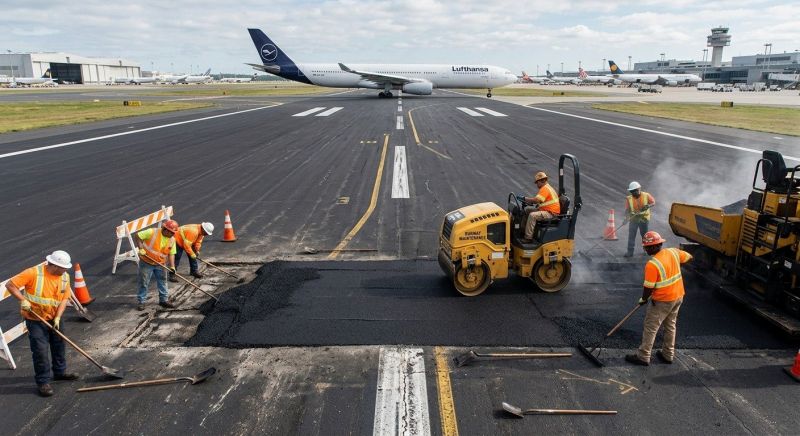
Runway Surface Restoration
Ensuring smooth and durable runway surfaces for safe aircraft operations in little rock, ar.
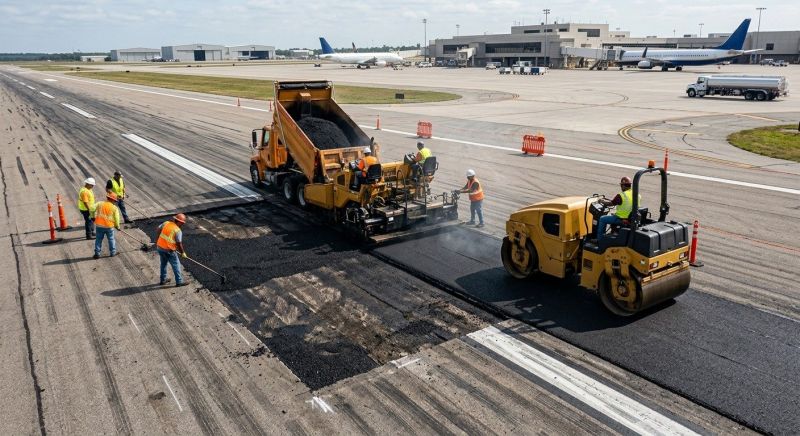
Crack And Damage Repair
Addressing cracks, ruts, and surface deterioration to maintain runway integrity and safety.
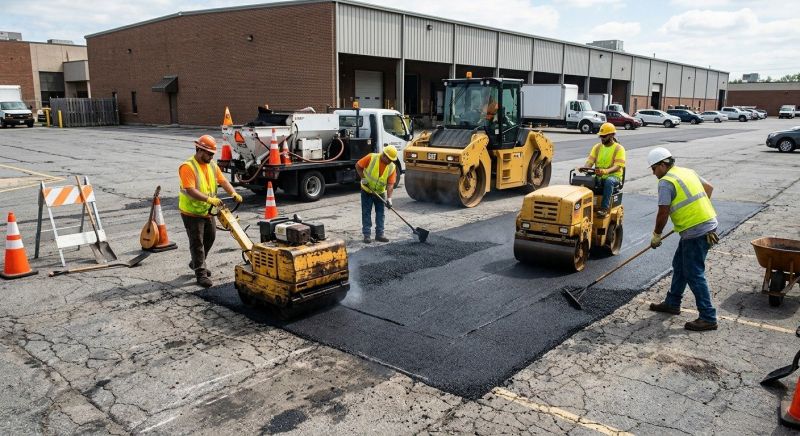
Preventative Maintenance Solutions
Implementing timely repairs to extend the lifespan of airport runways and reduce future disruptions.
Airport Runway Repair in Little Rock, AR

Airport runway repair services involve the restoration and maintenance of paved surfaces used for aircraft takeoffs and landings. These projects typically include patching cracks, filling potholes, resurfacing worn areas, and ensuring the surface remains smooth and safe for aircraft operations. Property owners may request this service for private airstrips, helipads, or other specialized paved areas that require regular upkeep or urgent repairs to address damage caused by weather, heavy use, or aging materials.
Before requesting runway repair services, property owners generally want to understand the extent of damage, the types of repairs needed, and the materials used for restoration. It is also helpful to clarify the scope of work, including whether resurfacing or structural repairs are necessary, and to ensure that the surface will meet safety standards for aircraft operations. Proper assessment and planning can help ensure that repairs are effective and long-lasting for the specific needs of the property.
Many property owners in Little Rock, AR look into Airport Runway Repair for repairs, replacements, upgrades, and appearance-related improvements.
Common Airport Runway Repair Jobs
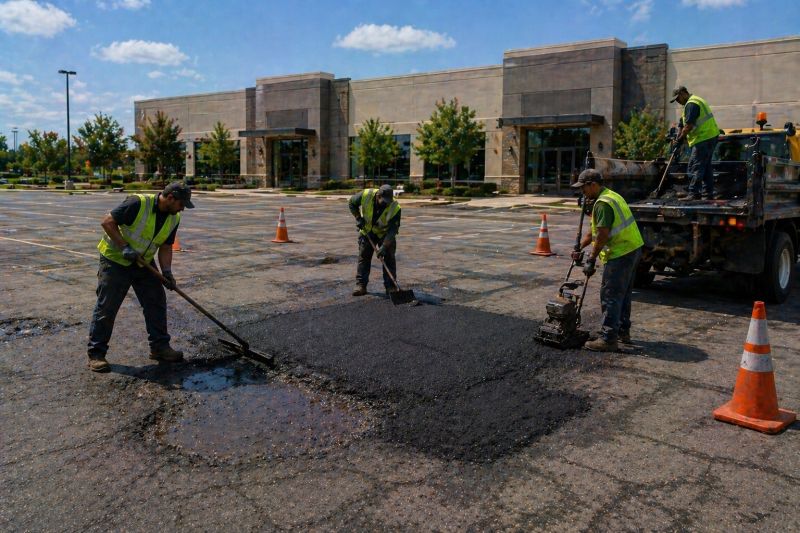
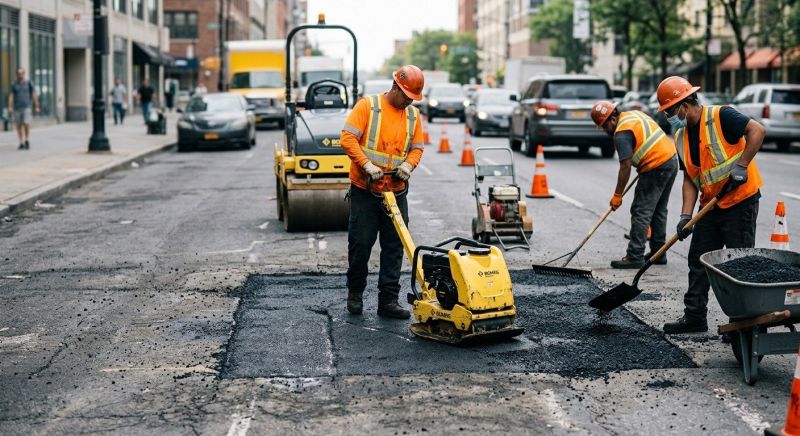
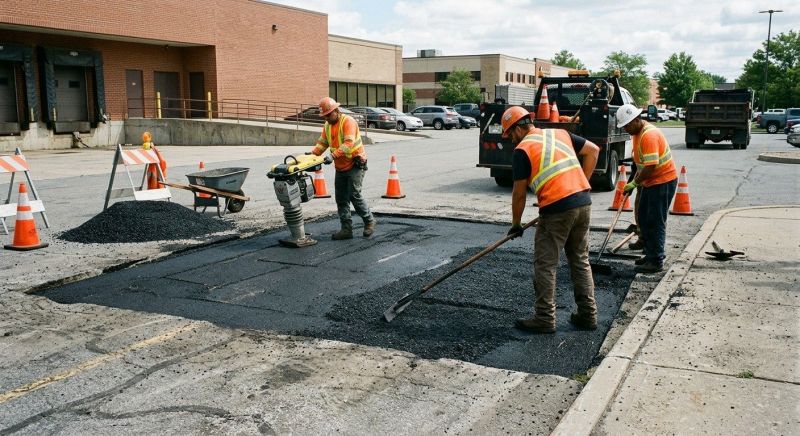
Runway Surface Repairs - restoring damaged pavement to ensure safe aircraft operations.
Crack Sealing - filling cracks to prevent water intrusion and further deterioration.
Surface Resurfacing - applying new asphalt or concrete to improve runway smoothness.
Drainage Improvements - enhancing runoff systems to prevent water pooling and erosion.
Joint and Sealant Replacement - maintaining expansion joints for structural integrity.
Pavement Marking - repainting or upgrading markings for clear navigation and safety.
Airport Runway Repair Questions
What types of runway repair services are available? Services include resurfacing, crack sealing, and patching to restore runway safety and functionality.
How do I know if my runway needs repairs? Signs such as visible cracks, surface ruts, or uneven areas indicate the need for maintenance or repairs.
What materials are used for runway repairs? Repairs typically involve asphalt or concrete, selected based on the runway's existing surface and specific needs.
Are there seasonal considerations for runway repairs? Repairs are often scheduled during favorable weather to ensure proper curing and long-lasting results.
Request Airport Runway Repair in Little Rock, AR
Use the quote form on this page to share the basics of your project and request more information for the type of work you need.